
February 13, 2026
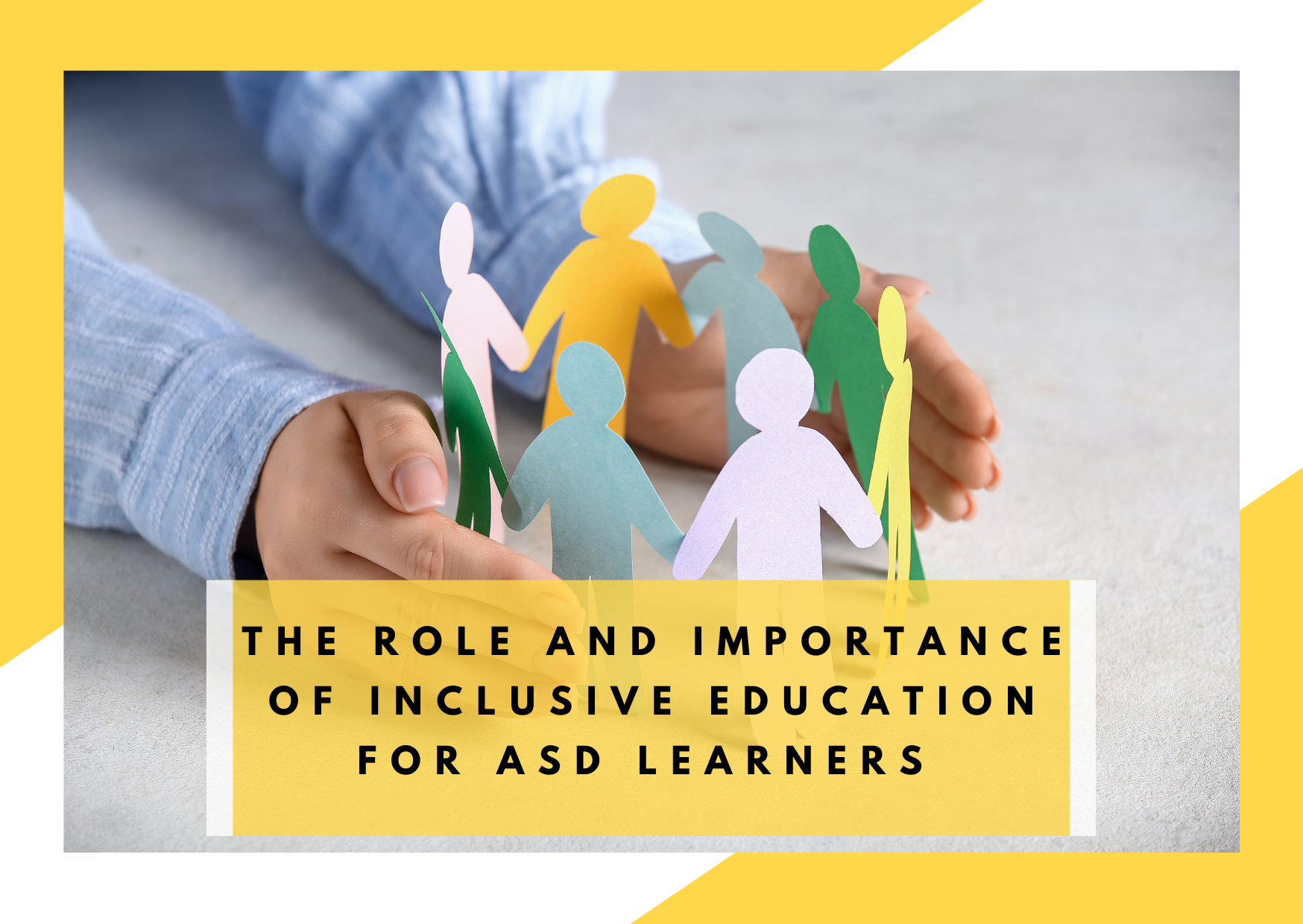
Inclusive education is a comprehensive concept that varies across different countries, each developing its unique systems and approaches. This article focuses on inclusive education from the perspective of Autism Spectrum Disorder (ASD). ASD is a complex neurodevelopmental condition characterized by challenges in social interaction, communication, and behavior. Individuals with ASD can display a wide range of symptoms and abilities, leading to diverse presentations.
Understanding Autism Spectrum Disorder
ASD encompasses various conditions previously considered distinct, including autism, Asperger’s syndrome, childhood disintegrative disorder, and pervasive developmental disorder. Although some individuals still use the term “Asperger’s syndrome,” it is essential for parents and teachers to understand how to support children with autism and utilize tools that promote their independence.
Typically, ASD manifests in early childhood, impacting social skills, making friends, academic performance, and equal opportunities. Signs of autism often emerge within the first year; however, some children may initially appear to develop typically before exhibiting symptoms between 18 and 24 months. Early and intensive intervention can significantly improve the quality of life for children.
The Role of Educators in Inclusive Education
Educators play a pivotal role in modeling and teaching social behaviors, helping children with autism connect better with their peers. This approach fosters a more inclusive environment, essential for the overall development of all students. Communication challenges are also common, as many children with ASD experience delays in language acquisition and difficulty engaging in conversations.
In modern times, autism is a widely researched topic, with various psychological and laboratory studies contributing to our understanding. Myths and misconceptions have emerged alongside this research, often influencing popular culture and media portrayals. However, autism is not a 21st-century phenomenon ; it has been scientifically studied for decades.
Despite advancements, many aspects of autism remain unclear, raising concerns from parents, teachers, and professionals. Common issues include:
● Social Isolation: Fear that children with autism may struggle to form friendships, leading to isolation.
● Bullying and Teasing: Unique behaviors may make children with autism targets for bullying, affecting their self-esteem.
● Misunderstanding Social Cues: Difficulty interpreting social signals can lead to miscommunication or inappropriate responses.
● Overwhelm in Social Settings: Noisy or crowded environments can be overwhelming, causing withdrawal from social interactions.
● Anxiety Over Future Independence: Long-term concerns regarding social skill development for independent adult living.
Insights from Poland’s Inclusive Education System
Poland’s inclusive education system, which began developing in the 1990s, offers valuable insights for supporting children with autism.
Inclusive quality education requires teamwork, joint planning, and implementation capabilities. Teachers often collaborate with multidisciplinary teams, including therapists, counsellors, and special educators. Their ability to work effectively together is crucial for creating comprehensive educational programs addressing all dimensions of a student’s growth. This collaborative approach not only optimizes the learning environment but also models social inclusion, teaching all students valuable lessons about diversity and collaboration.
For instance, a teacher might partner with a speech therapist and a counselor to integrate communication strategies and emotional support into classroom activities, ensuring equitable inclusion of students with speech difficulties or emotional challenges.
Professional Development for Educators
Ongoing professional development is essential for teachers, particularly in the dynamic field of inclusive education. As the field evolves with new research and innovative teaching methods, educators must enhance their competencies through regular professional training. This commitment to lifelong learning not only elevates instructional effectiveness but also exemplifies resilience and continuous education for students.
Numerous modern tools and methods are available to support teachers in their professional tasks. Social and Emotional Learning (SEL) frameworks, such as the Collaborative for Academic, Social, and Emotional Learning (CASEL), play a pivotal role in advancing SEL in educational settings. SEL is increasingly emphasized in inclusive education, integrating emotional intelligence and social skills into the curriculum to foster comprehensive student development.
The skills needed for successful inclusive education extend the traditional teaching competencies of the past to include a wide range of psychological, pedagogical, and diagnostic competencies. Inclusive education requires teachers to have a comprehensive understanding of diverse educational needs. Teachers need to recognize and understand the distinct challenges faced by students with special needs, such as disabilities, learning difficulties and exceptional talents. Adapting teaching methods to meet individual learning needs is important. This adaptation requires considerable depth of knowledge of both the subject and flexible teaching techniques. (Kosek A., 2016, 3- 12)
Conclusion
The skills required for teachers in inclusive education are vital for fostering a respectful, adaptable, and supportive learning environment for all students. These skills help dismantle conventional educational barriers, embracing innovative approaches to create an inclusive atmosphere. By focusing on these competencies, teachers can transform classrooms into dynamic places where education becomes a means of empowerment.
This method ensures that every student, regardless of their background or challenges, has the opportunity to achieve their highest potential. Ultimately, this educational approach enriches both students and the teaching community, enhancing understanding and appreciation of diversity and inclusion. As a result, education evolves into a more inclusive and enriching experience, preparing students with essential skills necessary for success in a diverse global community.
References
● Aarons, G. A., & Gittens, S. (1992). Understanding Autism: A Handbook for
Professionals. London: Jessica Kingsley Publishers.
● Bleuler, E. (1950). Dementia Praecox or the Group of Schizophrenias. New
York: Grune & Stratton.
● Frith, U., & Happé, F. (2002). Synthesis in Autism. In U. Frith (Ed.), Autism:
A Very Short Introduction. Oxford: Oxford University Press.
● Grosmann, J. B. (2006). Social Behavior and Communication in Children with
Autism. Journal of Autism and Developmental Disorders, 36(5), 687–698.
● Kanner, L. (1943). Autistic Disturbances of Affective Contact. Nervous Child,
2(3), 217–250.
● Yadav, B. (2020). Early Intervention in Autism Spectrum Disorder: An
Overview. Journal of Autism and Developmental Disorders, 50(1), 1–5.
Author : Nvard Botsinyan